Winter Driving Safety: Essential Tips for UK Roads
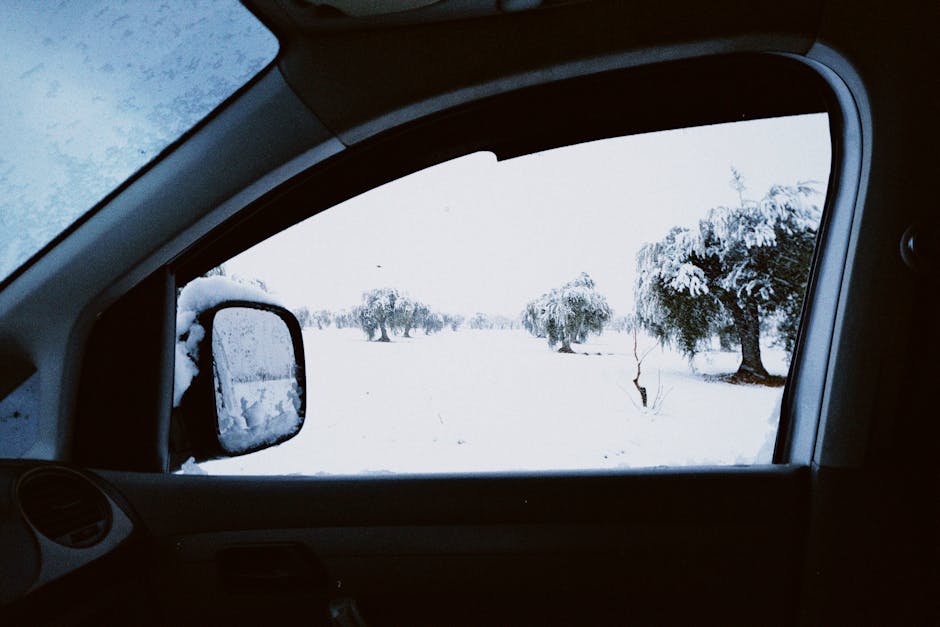
Winter driving in the UK presents unique challenges. Icy roads, reduced visibility, and harsh weather conditions increase accident risks. Proper preparation and adjusted driving techniques are essential for safety.
Check Your Vehicle Before Winter
Before the cold months arrive, ensure your car is winter-ready. Check your battery—cold weather reduces its effectiveness. Inspect your tyres for adequate tread depth (at least 3mm for winter, though 5mm is safer). Top up screenwash with winter-formula product that won't freeze. Check your heating and demister systems work properly.
Tyre Considerations
Winter tyres provide better grip in cold conditions than all-season tyres. If you live in an area with frequent snow or ice, consider switching to winter tyres from November to March. Ensure all tyres are properly inflated—cold weather reduces pressure.
Adjust Your Driving Speed and Distance
Ice and snow dramatically reduce grip. Reduce your speed significantly in winter conditions, even if the road appears clear. Increase your following distance to at least eight to ten seconds behind the vehicle ahead—this gives you more time to stop on slippery surfaces.
Handling Skids and Slides
If your car starts to skid, stay calm. Remove your foot from the accelerator and steer gently in the direction you want the front of the car to go. Avoid sudden braking or steering movements. Modern cars with ABS should not be pumped—apply steady pressure to the brake pedal.
Visibility and Lighting
Winter days are short and dark. Use dipped headlights during the day in poor visibility. Ensure all lights are clean and functioning. Make yourself visible to other road users. Fog lights should only be used in fog or heavy rain—using them unnecessarily dazzles other drivers.
Preparing for Breakdowns
Winter breakdowns are more serious. Keep an emergency kit in your car containing blankets, a torch, jump leads, a spare tyre, and warm clothing. Ensure your phone is charged and you have breakdown cover. If you break down, stay in your vehicle with hazard lights on.
Motorway Safety
Motorways are particularly hazardous in winter. Slow down in poor conditions and avoid harsh acceleration or braking. Leave longer gaps between vehicles. If snow or ice is severe, avoid motorways entirely if possible.
Planning Your Journey
Check weather forecasts and road conditions before setting out. Allow extra time for your journey—rushing leads to mistakes. Avoid driving in severe weather unless absolutely necessary. Consider whether your journey is essential, or whether it can be postponed.
Winter driving demands extra caution and preparation. By maintaining your vehicle, adjusting your driving, and planning ahead, you can navigate winter roads safely and confidently.