Motorway Driving: Building Confidence on High-Speed Roads
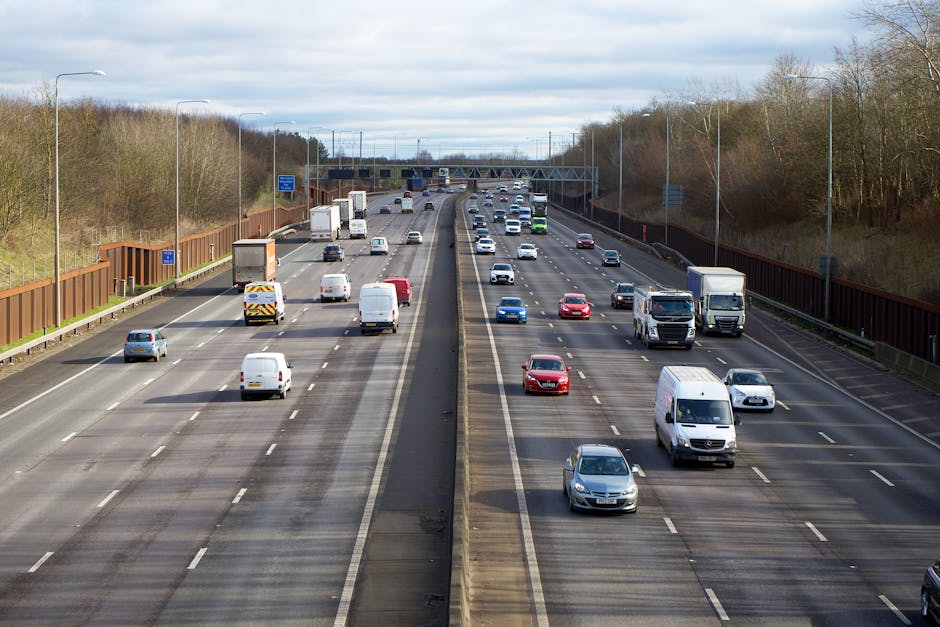
Motorway driving intimidates many learners and new drivers, but with proper instruction and practice, it becomes manageable and even enjoyable. Understanding motorway rules and developing the right techniques is essential for safe high-speed driving.
You Don't Need to Rush
Many new drivers feel pressured to join motorways immediately after passing their test. You don't have to. Building experience on dual carriageways first helps develop the skills and confidence needed. There's no shame in waiting until you feel ready.
Understanding Motorway Layout
Motorways have three lanes (sometimes four on busy sections). The left lane is for normal driving. The middle and right lanes are for overtaking. Keeping left when not overtaking is a legal requirement and essential for safe traffic flow. Motorway slip roads are for joining and exiting—they're not for parking or stopping.
Joining a Motorway Safely
Use the slip road to build speed and match the flow of traffic. Check your mirrors and blind spots carefully. Merge smoothly into the left lane when it's safe. Never stop on the slip road unless absolutely necessary. If you miss your exit, continue to the next junction rather than stopping.
Lane Discipline and Overtaking
Stay in the left lane unless overtaking. When overtaking, move to the middle lane, pass the vehicle, and return to the left lane promptly. Never cut in front of vehicles you've just overtaken. Avoid lingering in the middle or right lanes—this causes congestion and frustrates other drivers.
Speed and Following Distance
The national speed limit on motorways is 70 mph, but this is a maximum, not a target. Adjust your speed for weather, traffic, and visibility. Maintain at least a two-second gap behind the vehicle ahead (or longer in poor conditions). This provides crucial reaction time if the vehicle ahead brakes suddenly.
Dealing with Fatigue
Motorway driving is mentally demanding. Long stretches of similar scenery can induce drowsiness. Stop every two hours at a service station, have a break, and move around. If you feel tired, pull over safely—never continue driving when fatigued.
Managing Anxiety
If motorway driving makes you anxious, practice with an experienced driver or professional instructor first. Start on quieter motorways or quieter times of day. Gradually build your experience and confidence. Remember that most motorway drivers are competent and following the rules.
Breakdown and Emergency Procedures
If you break down on a motorway, try to reach a service station or exit. If you can't, pull onto the hard shoulder, switch on hazard lights, and exit via the passenger door away from traffic. Call for help from your breakdown service. Never attempt repairs on a motorway.
Building Long-Term Confidence
Motorway driving becomes second nature with experience. Each journey builds confidence and competence. Within a few months of regular motorway driving, what once seemed daunting becomes routine.
Motorway driving is a valuable skill that opens up independence and freedom. With proper preparation and a gradual approach, you'll be driving motorways confidently and safely.