Common Driving Test Mistakes and How to Avoid Them
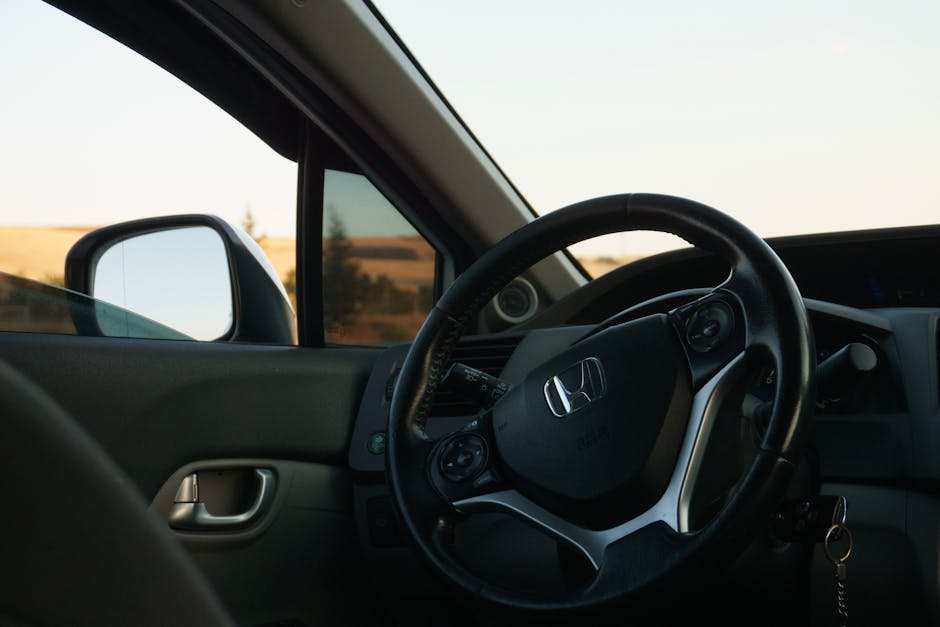
Understanding why learners fail their driving tests helps you avoid the same pitfalls. Many test failures result from preventable mistakes rather than lacking driving ability. Being aware of these common errors significantly improves your chances of success.
Poor Observation and Awareness
The most common reason for test failure is poor observation. Examiners look for evidence that you're actively checking mirrors, looking over your shoulder, and scanning the road ahead. Many learners develop the habit of looking but not really seeing. Practice deliberate, exaggerated observation—move your head visibly when checking mirrors and blind spots so the examiner sees you're aware of your surroundings.
Failing to Follow Instructions Clearly
During independent driving, examiners give directions. Failing to follow these clearly or asking for repetition multiple times creates a negative impression. Practice listening carefully and repeating instructions back to confirm you've understood. If you genuinely didn't hear an instruction, ask politely rather than guessing.
Inadequate Manoeuvre Technique
Manoeuvre failures often result from insufficient practice. Practice reversing around corners, parallel parking, and bay parking until they're automatic. Common errors include hitting the kerb, cutting corners, or taking excessive attempts. Quality practice with your instructor is crucial.
Speed Management Issues
Some learners drive too slowly, making other road users impatient and creating hazards. Others drive too fast for conditions. Develop good speed awareness by regularly checking your speedometer and adjusting speed for the road type and conditions. Aim for smooth, consistent speed management.
Hesitation and Lack of Confidence
Hesitating at junctions or when pulling out causes other drivers to become uncertain. Once you've checked it's safe to proceed, do so confidently. Hesitation suggests uncertainty, which makes other road users anxious. That said, never rush—check thoroughly, then move decisively.
Clutch Control Problems
Poor clutch control causes jerky movements, stalling, or rolling backwards. Practice smooth clutch engagement until it's natural. This is particularly important for manoeuvres and moving off on hills. Ask your instructor for extra practice if clutch control isn't smooth.
Failing to Plan Ahead
Safe driving requires planning. Look ahead for potential hazards, anticipate what other road users might do, and adjust your position and speed accordingly. Reactive driving—responding only when something happens—is unsafe and suggests poor road awareness.
Not Demonstrating Safety Knowledge
The eyesight check is straightforward, but some learners fail by not following instructions properly. For example, you must read a number plate from a specific distance. Make sure you understand what's required and follow instructions precisely.
Nerves and Panic
Whilst nerves are normal, letting them affect your driving is problematic. If you make a minor mistake, stay calm and continue driving safely. Many learners fail because they panic after a small error and make bigger ones. Remember that examiners expect minor mistakes—one or two won't fail you.
Preparation Strategies
Avoid these common mistakes by practising extensively with your instructor, focusing particularly on areas you find challenging. Take mock tests to build confidence. Ensure you're well-rested before your test day and arrive early to settle your nerves.
Most driving test failures can be prevented with adequate preparation and awareness of common mistakes. Focus on these key areas, practice consistently, and approach your test with confidence.